Introduction to the Project
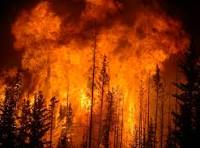
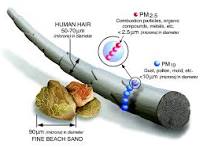
This project investigates the relationship between Canadian wildfire burn areas and air quality in Toronto, focusing on PM2.5 concentrations. As climate change intensifies, Canada has experienced increasingly severe wildfire seasons, with the 2023 season breaking all previous records. These wildfires produce massive amounts of fine particulate matter that can travel thousands of kilometers, affecting air quality in major cities far from the fires themselves.
Our research analyzes 20 years of data (2003-2023) from the Canadian National Fire Database and Environment Canada's air quality monitoring stations. By examining the correlation between total hectares burned annually and the number of days Toronto experiences unhealthy PM2.5 levels, we aim to quantify how wildfire activity impacts urban air quality and public health.
Navigate through the sections above to explore our hypothesis, methodology, results, statistical analysis, and conclusions. This website serves as a companion to our science fair poster presentation.